A perspective on what makes river cruising in Europe so compelling, and how ship design, service, and access shape the experience beyond the itinerary.
There is a reason Europe’s rivers continue to resonate with experienced travelers.
They offer a different kind of journey. Slower, more intentional, and often more connected to the places you pass through.
Recently, the launch of two new river ships along the Seine and Rhône offered a clear reminder of how much the experience continues to evolve, not just in design, but in how travel is felt.
The rhythm of the river
River cruising is not about covering distance. It is about how that distance unfolds.
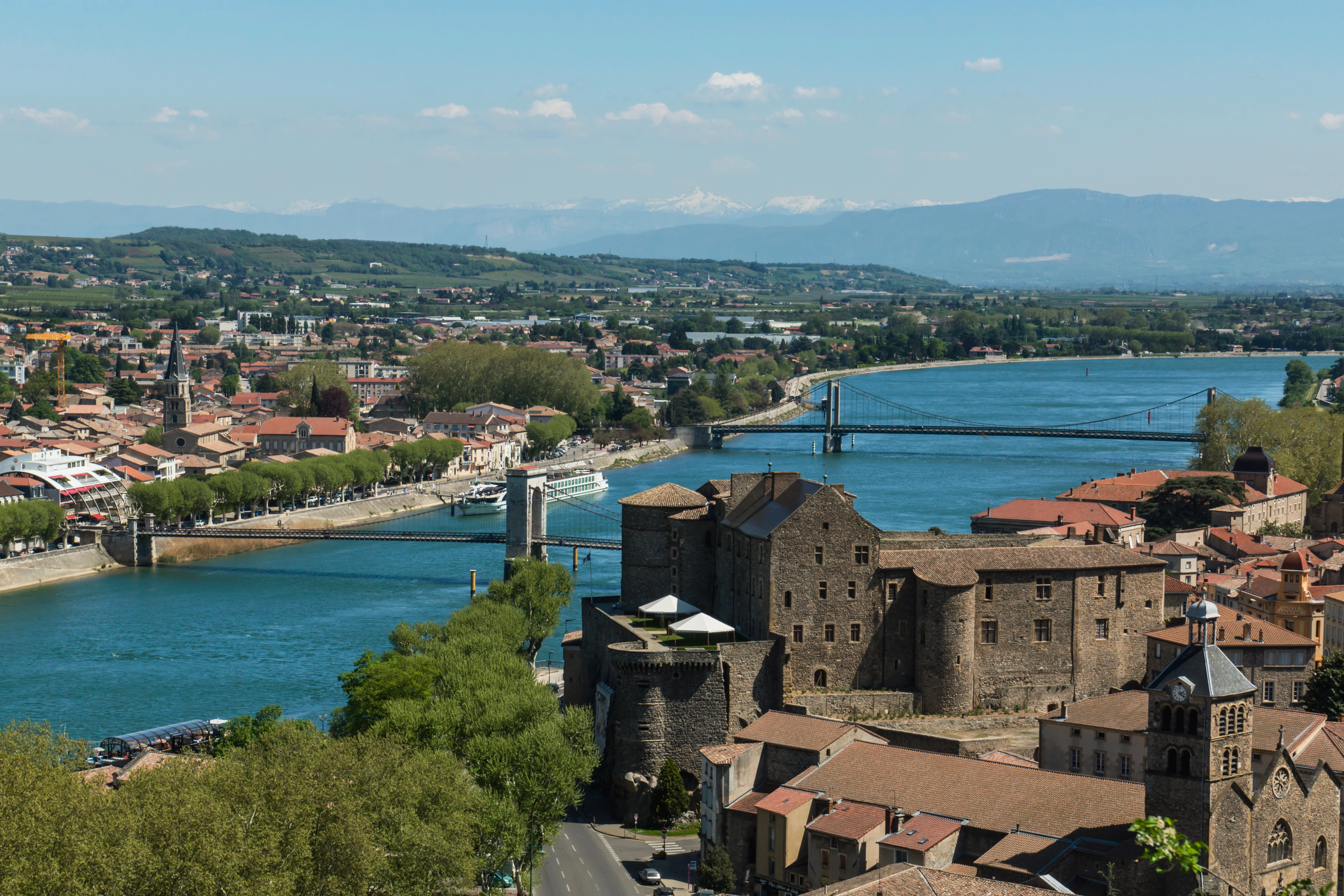
Along the Seine, the experience moves from the energy of Paris to smaller, storybook towns like Les Andelys. Along the Rhône, the light, landscapes, and pace shift in subtle but meaningful ways.
There is a natural rhythm to it. Mornings that begin quietly as the river moves past. Afternoons shaped by time ashore. Evenings that feel unhurried.
It is this cadence that often defines the experience more than the itinerary itself.
Design that supports the experience
What has changed most in recent years is not where these ships go, but how they are designed to enhance the journey.
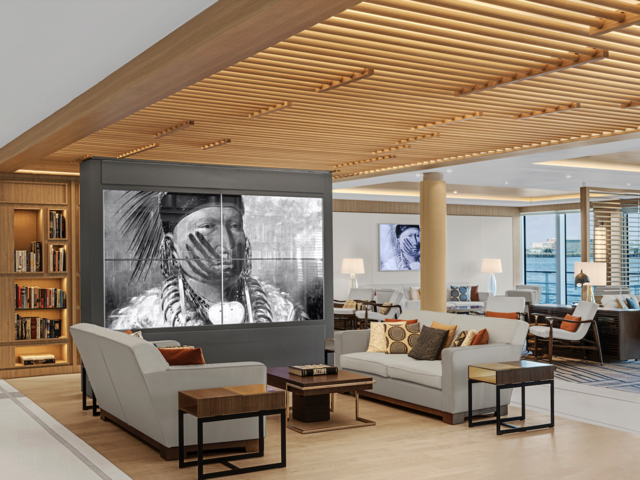
Natural light, open spaces, and thoughtful layouts allow the landscape to remain central. On newer ships, design is increasingly focused on how guests move through the space and where moments of connection happen, whether in a lounge at the front of the ship or on a quiet sun deck as the scenery passes.
Details that might seem small tend to shape the overall feel. The positioning of a restaurant. The flow between indoor and outdoor spaces. Areas designed for quiet as well as conversation.
These are not headline features, but they are what elevate the experience.
A more personal approach to service
One of the defining characteristics of river cruising, particularly at the higher end, is scale.
Fewer guests create a more natural sense of familiarity. Service becomes intuitive rather than formal. There is more continuity from day to day.
This is especially noticeable on itineraries where local access and guided experiences are central. A stronger guide-to-guest ratio, combined with deeper destination expertise, allows for a more seamless transition between time on the ship and time ashore.
The result is not just efficiency, but ease.
The connection to place
What continues to distinguish river cruising is how closely it connects you to the destination.
Ships arrive directly into the center of towns and cities. There is no separation between where you stay and where you explore. The experience feels more integrated.
Along these rivers, it is easy to understand why artists like Monet, Renoir, and Van Gogh were drawn to the same landscapes. The light, the movement of the water, and the proximity to daily life all contribute to a sense of place that is difficult to replicate elsewhere.
It invites a different level of engagement.
Evolving without losing its core
What is notable is how river cruising continues to evolve while maintaining what has always made it appealing.
New ships introduce updated design, wellness spaces, and more flexible itineraries. At the same time, the core remains unchanged. Smaller scale. Thoughtful pacing. A focus on experience rather than volume.
Even newer, shorter itineraries are being introduced with the same level of depth and access, allowing for greater flexibility without compromising the overall experience.
A more considered way to travel
For many travelers, river cruising becomes less about the concept itself and more about how well it aligns with how they want to travel.
It suits those who value access without complexity, structure without rigidity, and a pace that allows for both discovery and pause.
When aligned properly, it is one of the most seamless ways to experience Europe.